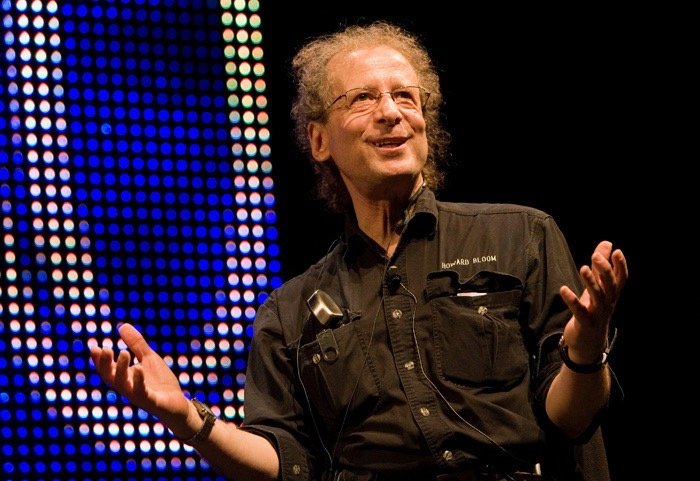
If you’ve ever tried to understand why civilizations rise, why movements catch fire, or why humans keep repeating the same grand mistakes and breakthroughs, chances are you’ve already wandered into Howard Bloom territory—whether you knew it or not.
Bloom isn’t interested in surface-level answers. He’s after the machinery underneath human behavior: evolution, power, ideas, cooperation, conflict. Long before “systems thinking” became a buzzword, Bloom was already pulling threads between biology, history, culture, and psychology—and showing how they all collide to shape the future.
He’s been called everything from a futurist to a cultural theorist to an intellectual provocateur, but none of those labels quite cover it. Bloom’s real skill is synthesis. He takes ideas that usually live in separate academic silos and forces them into conversation—sometimes uncomfortable, often illuminating.
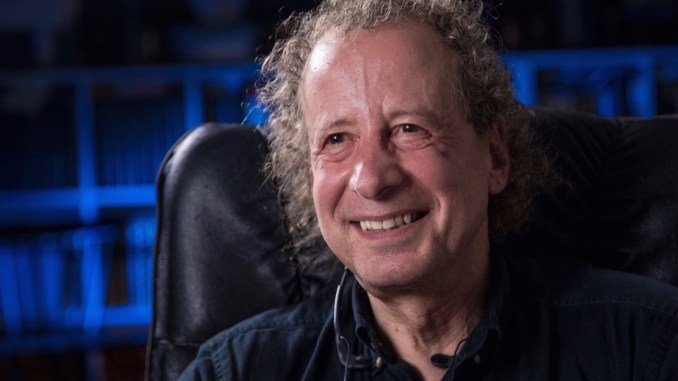
From Cultural Firestarter to Big-Think Architect
Bloom first broke through with books like The Lucifer Principle, which flipped the idea of evil on its head by arguing that some of humanity’s darkest impulses are actually rooted in group survival and evolutionary wiring. That theme—how collective intelligence and collective madness are often two sides of the same coin—runs through much of his work.
Later books such as Global Brain and The God Problem expanded that thinking outward, exploring how information networks, belief systems, and cooperation shape not just societies, but the trajectory of the human species itself.
This isn’t armchair philosophy. Bloom’s work has been cited across disciplines, discussed in media outlets, and debated by scientists, artists, and political thinkers alike. He doesn’t aim to be comfortable. He aims to be accurate—or at least brutally honest about the questions we avoid.
The Howard Bloom Institute: A Home for Big Ideas
All of that thinking needed a hub, and that’s where the Howard Bloom Institute comes in.
The Institute isn’t a school in the traditional sense, and it’s definitely not a think tank that plays it safe. It functions more like an intellectual laboratory—a place where big, sometimes dangerous ideas are examined instead of dismissed.
Through articles, lectures, discussions, and public engagement, the Institute tackles subjects like:
- Human evolution and group behavior
- The future of civilization
- Power dynamics and cultural movements
- Science, belief, and meaning in a technological age
What makes the Institute stand out is its refusal to oversimplify. It assumes the audience is capable of nuance—and challenges them to rise to it.
Why Howard Bloom Still Matters (Maybe More Than Ever)
We’re living in an era defined by fragmentation: fractured politics, algorithm-driven tribes, and nonstop information overload. Bloom has been warning—and explaining—these patterns for decades. His work doesn’t just describe chaos; it explains why chaos feels so familiar to us as a species.
That’s what makes Howard Bloom’s voice unusually relevant right now. He’s not chasing trends. He’s diagnosing patterns that repeat across centuries, technologies, and belief systems.
If you’re someone who wants more than headlines—someone who wants to understand why the world behaves the way it does—Howard Bloom and the Howard Bloom Institute are worth paying attention to. They won’t give you easy answers. But they’ll give you better questions.